

The Big Five Explained: Where to Find Them and Why They Matter
Big Five Africa Explained helps travelers understand where to find Africa’s legendary animals and why they hold such great importance.
Understanding the Big Five
Safari enthusiasts often talk about the Big Five, which include lion, leopard, elephant, buffalo, and rhinoceros. These iconic species symbolize wild Africa, and travelers continually seek them during game drives. Guides emphasize their importance because these animals showcase power, beauty, and resilience. Tour operators highlight them in brochures, as they remain the ultimate prize for photographers and adventurers. Observing them in natural habitats creates unforgettable memories and lifelong appreciation for wildlife conservation. Every safari journey becomes more meaningful when it includes encounters with these legendary creatures.
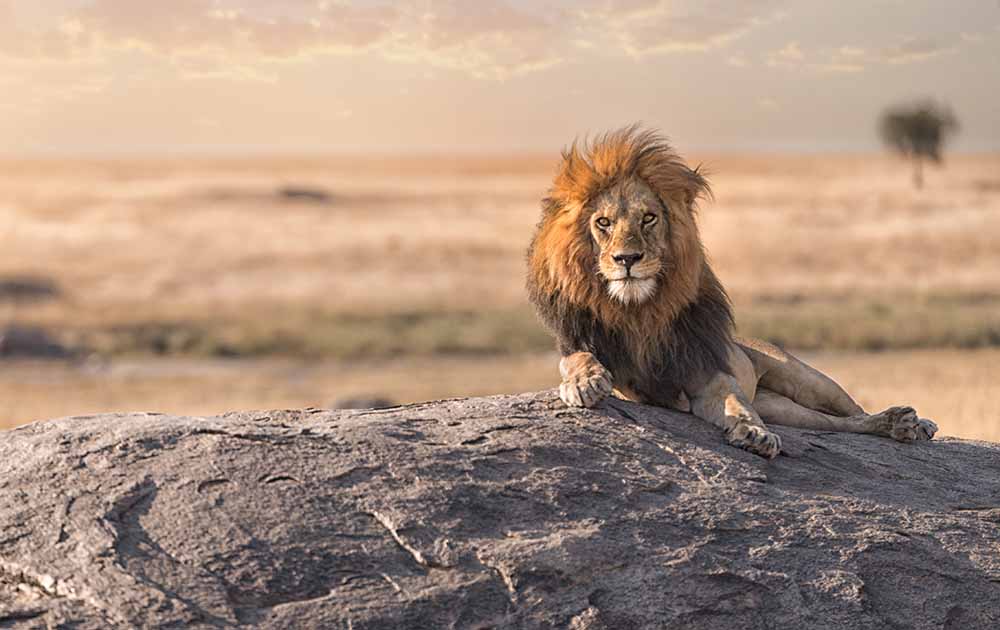
Big Five Africa: Mighty Lion
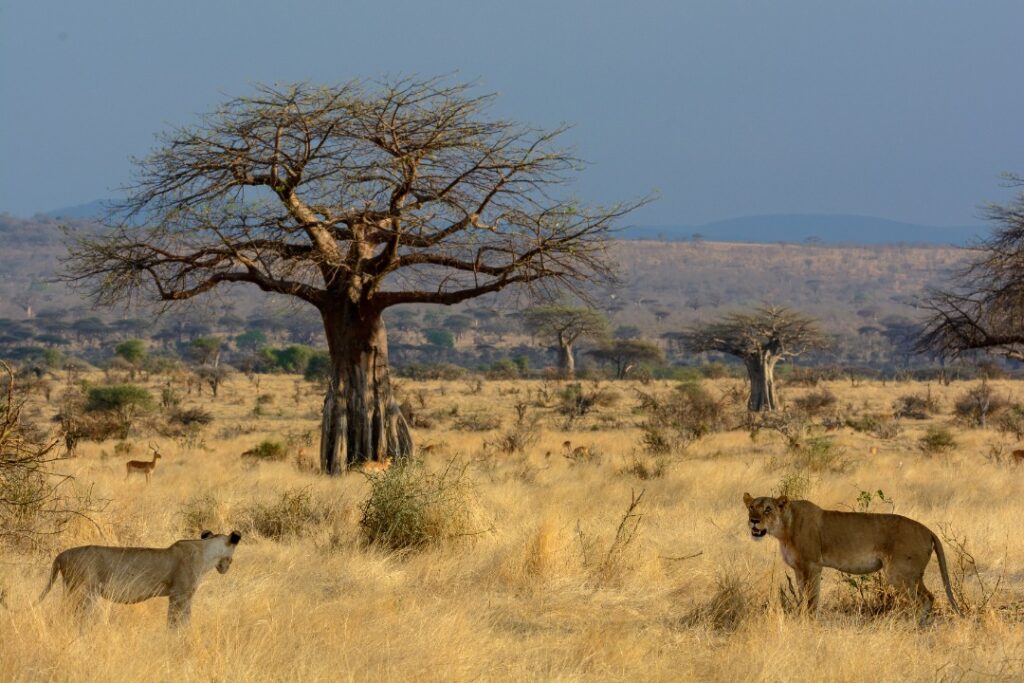
Visitors often rank the lion as the most thrilling Big Five sighting. Game drives at dawn reveal prides hunting or resting gracefully. Serengeti and Ngorongoro in Tanzania offer unmatched opportunities, while South Africa’s Kruger provides excellent sightings too. Tourists feel awe when they see lions displaying dominance across open savannas. Guides encourage patience, since lions rest for many hours daily but thrill seekers often witness powerful hunts. These sightings create strong emotional connections, reminding travelers about raw natural strength. Consequently, many safaris revolve around the quest to find majestic lions in their territories.
Big Five Africa: Elusive Leopard
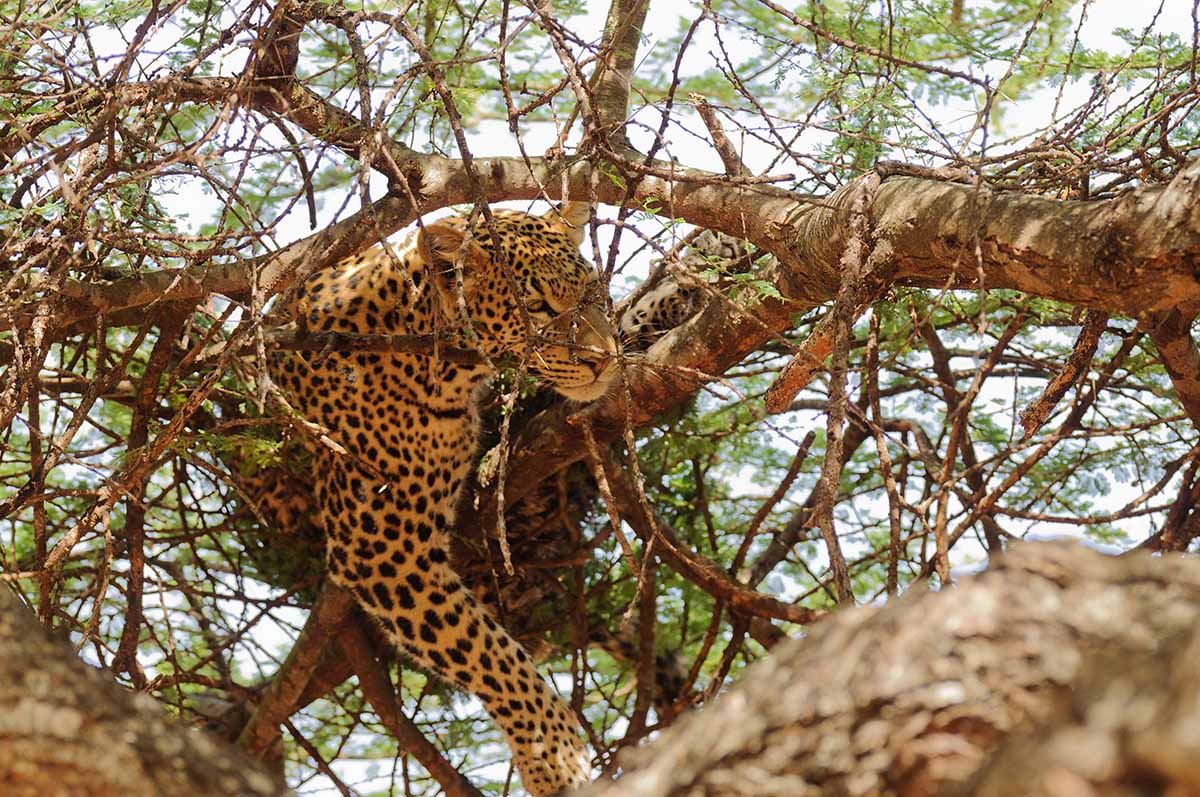
Among the Big Five, leopards remain hardest to spot. Their camouflage blends with trees and shadows, demanding persistence from eager observers. Travelers search riverine forests and rocky outcrops where leopards ambush prey or relax on branches. Parks like Serengeti, Masai Mara, and Sabi Sands offer reliable chances for sightings. Guides recommend scanning carefully during dusk or dawn when leopards actively patrol territories. Every glimpse excites photographers who dream about capturing powerful stares or elegant movements. Because encounters feel rare and magical, leopards consistently rank among safari highlights. Dedicated efforts reward patient travelers with unforgettable experiences and treasured memories.
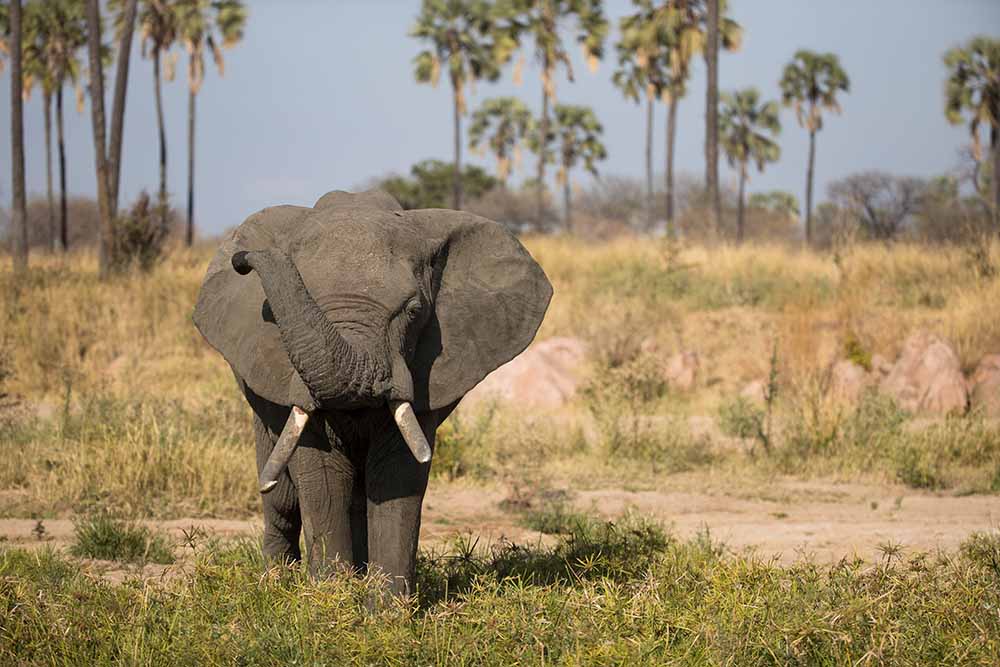
Big Five Africa: Majestic Elephant
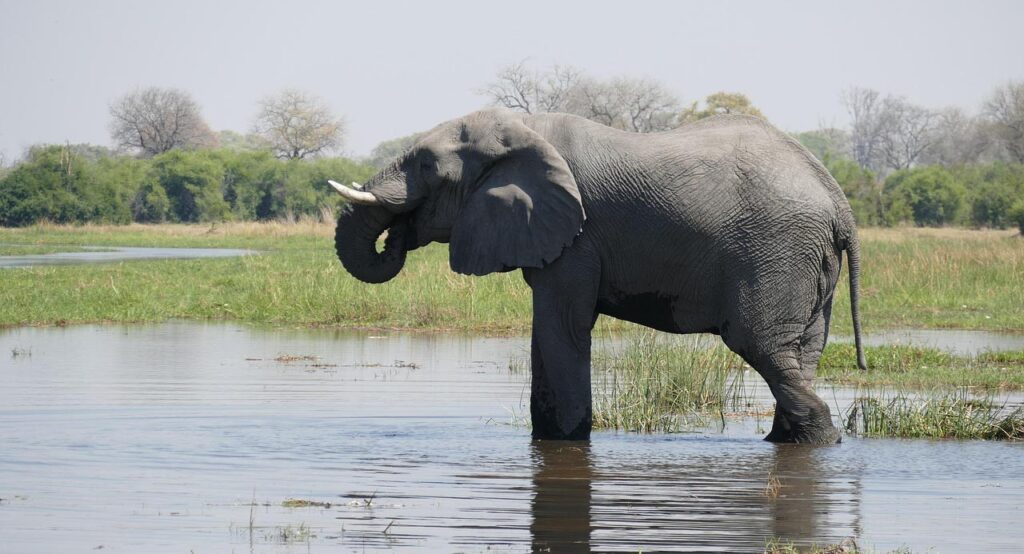
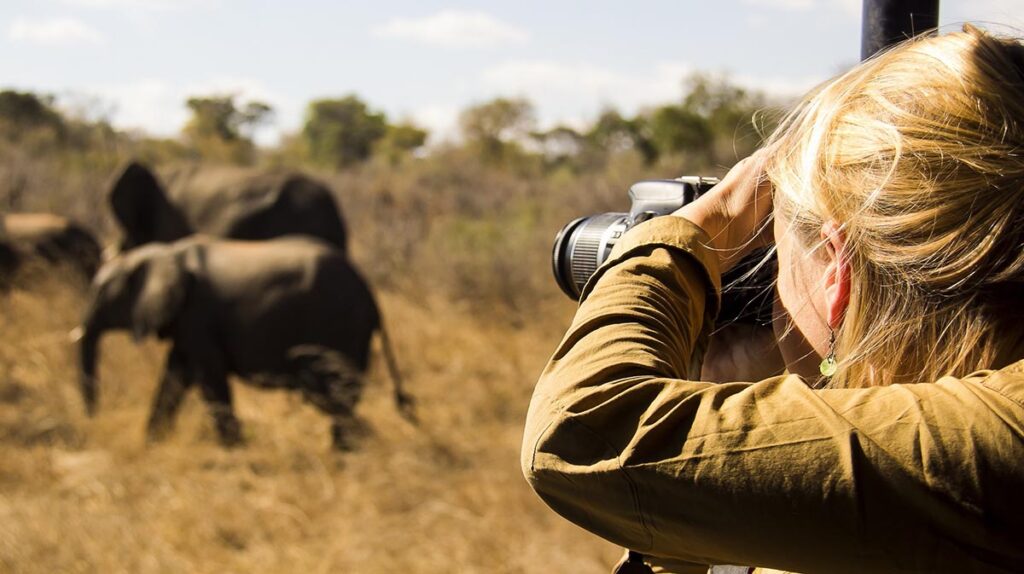
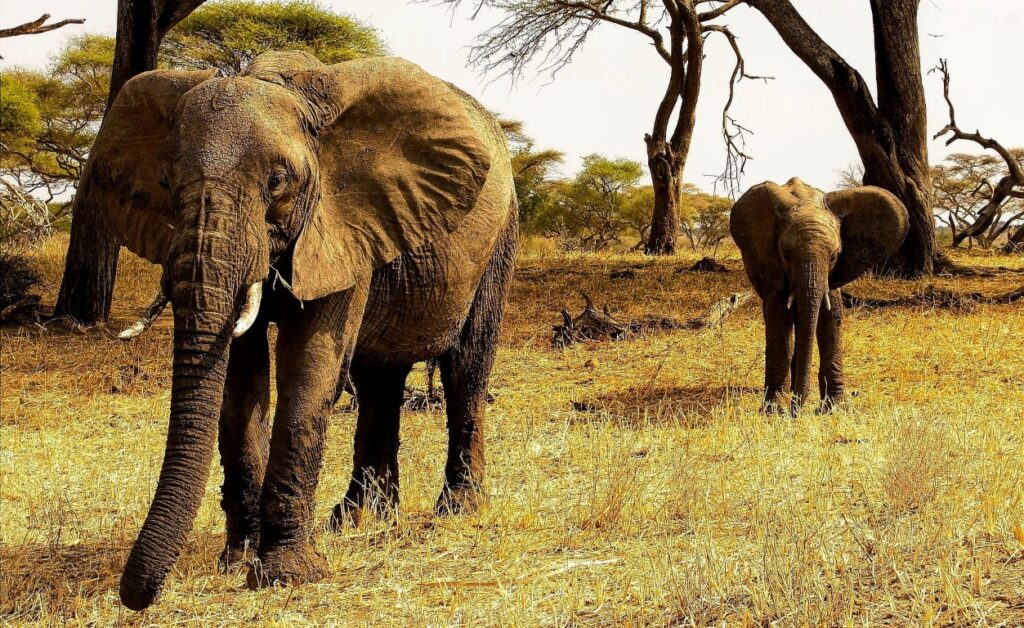
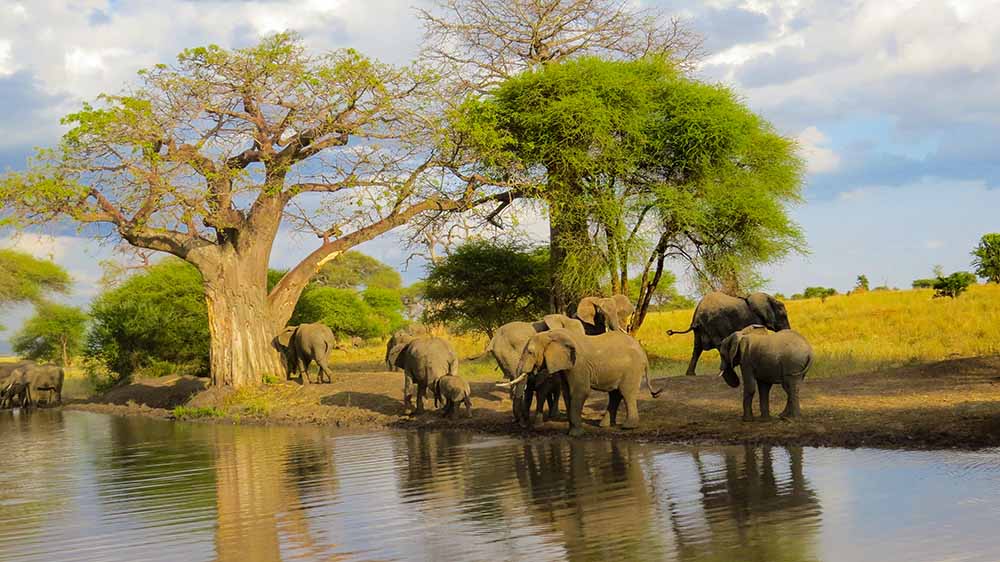
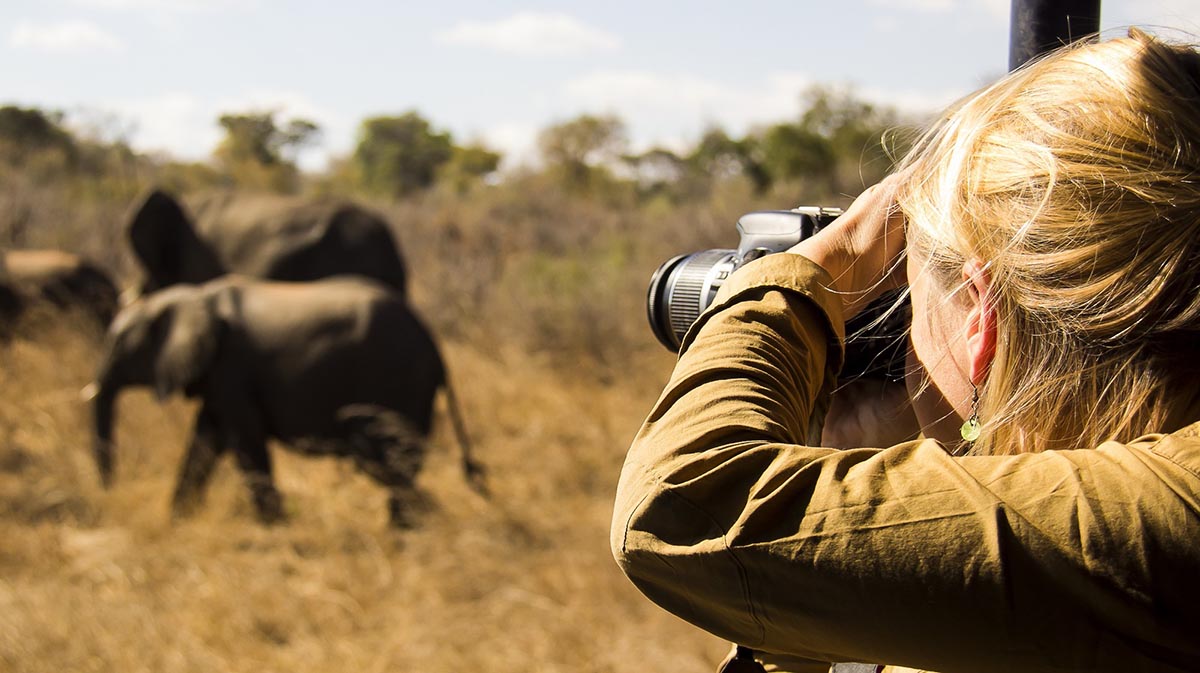
Elephants fascinate travelers because of intelligence, size, and complex family bonds. Herds roam across Amboseli, Tarangire, and Chobe, creating breathtaking spectacles. Observers marvel at calves learning survival skills while adults nurture and protect. Guides explain elephant behavior, enriching every encounter with knowledge about social structures. Tourists treasure the chance to watch elephants bathing, feeding, or communicating through low rumbles. Encounters remind everyone about conservation needs since ivory poaching threatens elephant populations. Visitors frequently describe elephant sightings as emotional and inspiring, adding depth to safari adventures. Therefore, elephants remain essential for travelers who desire authentic wildlife immersion.
Big Five Africa: Powerful Buffalo
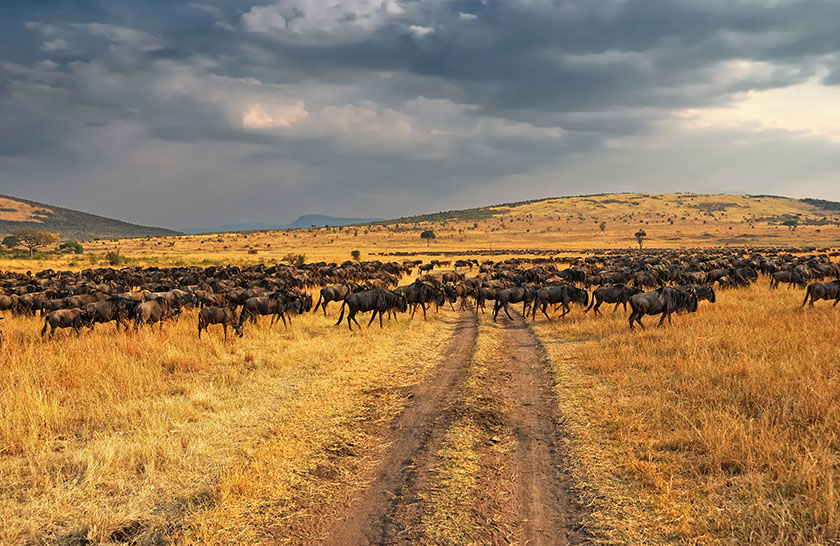
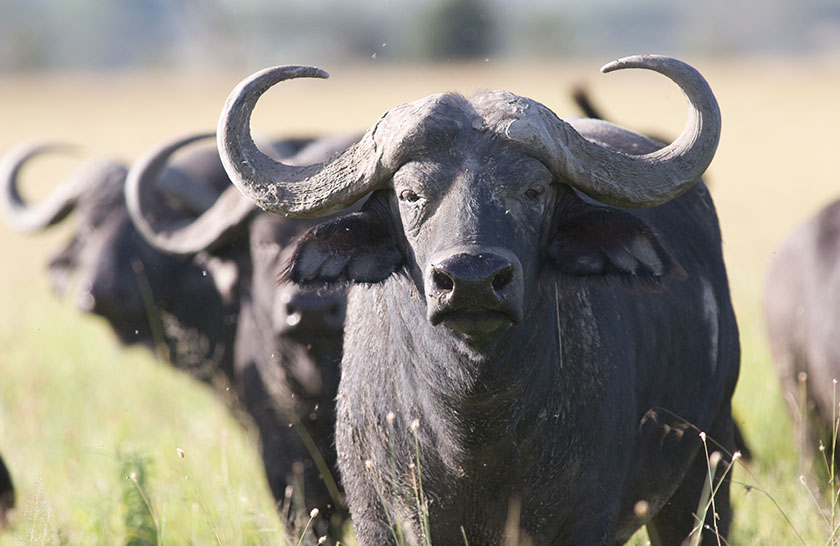
Although less glamorous, buffalo represent strength and unpredictability. Large herds graze plains of Serengeti and Okavango, often forming dramatic scenes. Safari vehicles approach cautiously since buffalo defend themselves fiercely against predators. Tourists quickly learn that buffalo encounters bring adrenaline and respect. Guides share stories about their resilience, reinforcing why buffalo earned their Big Five status. Travelers appreciate watching herds interacting, fighting, or simply grazing peacefully across open landscapes. Many safaris gain intensity when buffalo cross paths with lions, creating dramatic confrontations. Consequently, buffalo sightings always enrich the safari narrative with unpredictability and raw energy.
Big Five Africa: Rare Rhinoceros
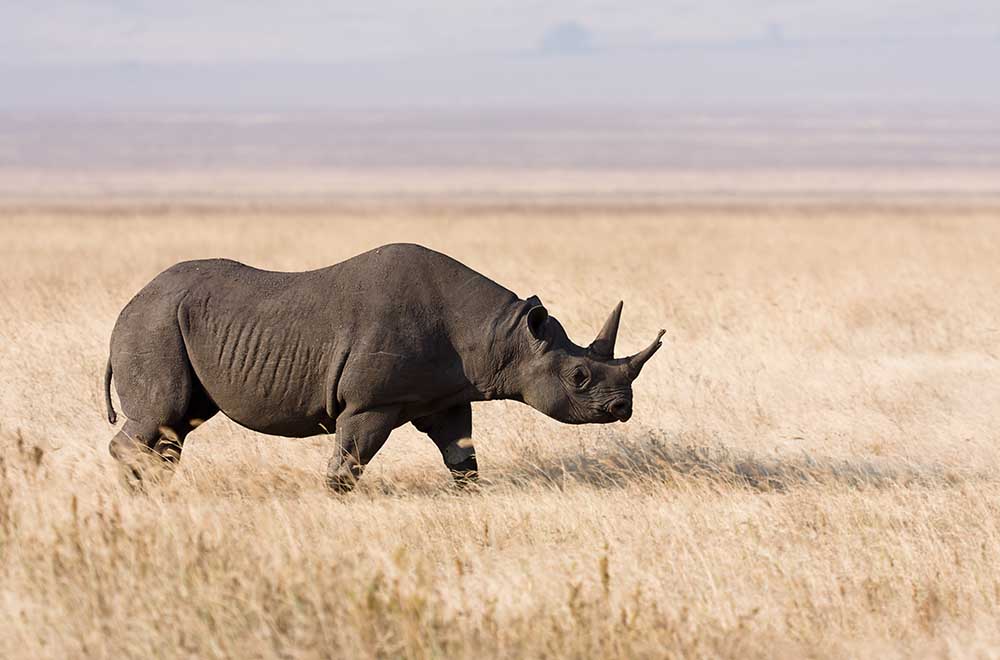
Rhinoceroses complete the Big Five, yet sightings remain rare. Poaching and habitat loss reduce populations, demanding conservation efforts worldwide. Travelers find black rhinos in Ngorongoro Crater, while white rhinos appear in Kruger and Ol Pejeta. Every sighting feels extraordinary, emphasizing the fragility of these species. Guides encourage respectful viewing, ensuring rhinos experience minimal disturbance from tourism activities. Visitors often feel deep responsibility when they witness these prehistoric giants. Conservation organizations rely on safari tourism to fund crucial anti-poaching operations and community initiatives. Travelers directly contribute when they choose responsible operators who support rhino protection.
Why the Big Five Matter
The Big Five matter because they symbolize Africa’s wild spirit and attract global interest. Their presence drives conservation funding, empowering parks to protect entire ecosystems. Tourists invest in safaris specifically to see them, which sustains local communities through jobs and cultural exchanges. Guides use their charisma to inspire awareness about broader environmental issues. Encountering them fosters admiration, leading travelers to support conservation organizations financially. Every sighting not only excites tourists but also secures benefits for local people. Consequently, the Big Five remain crucial ambassadors for wildlife protection and sustainable tourism across Africa.