

Climbing Kilimanjaro: What You Need to Know Before the Ascent
Kilimanjaro climbing draws adventurers from around the world to conquer this legendary trek that offers breathtaking scenery, from lush rainforests to alpine deserts and the snow-capped summit.
However, reaching the Roof of Africa demands more than enthusiasm—it requires careful planning, thorough preparation, and the right mindset. Understanding the routes, training your body, and gathering essential gear can make the difference between a challenging struggle and a life-changing achievement. Before you lace up your boots, here’s everything you need to know for a safe and successful ascent.
Kilimanjaro climbing: Choosing the Right Route for Your Adventure
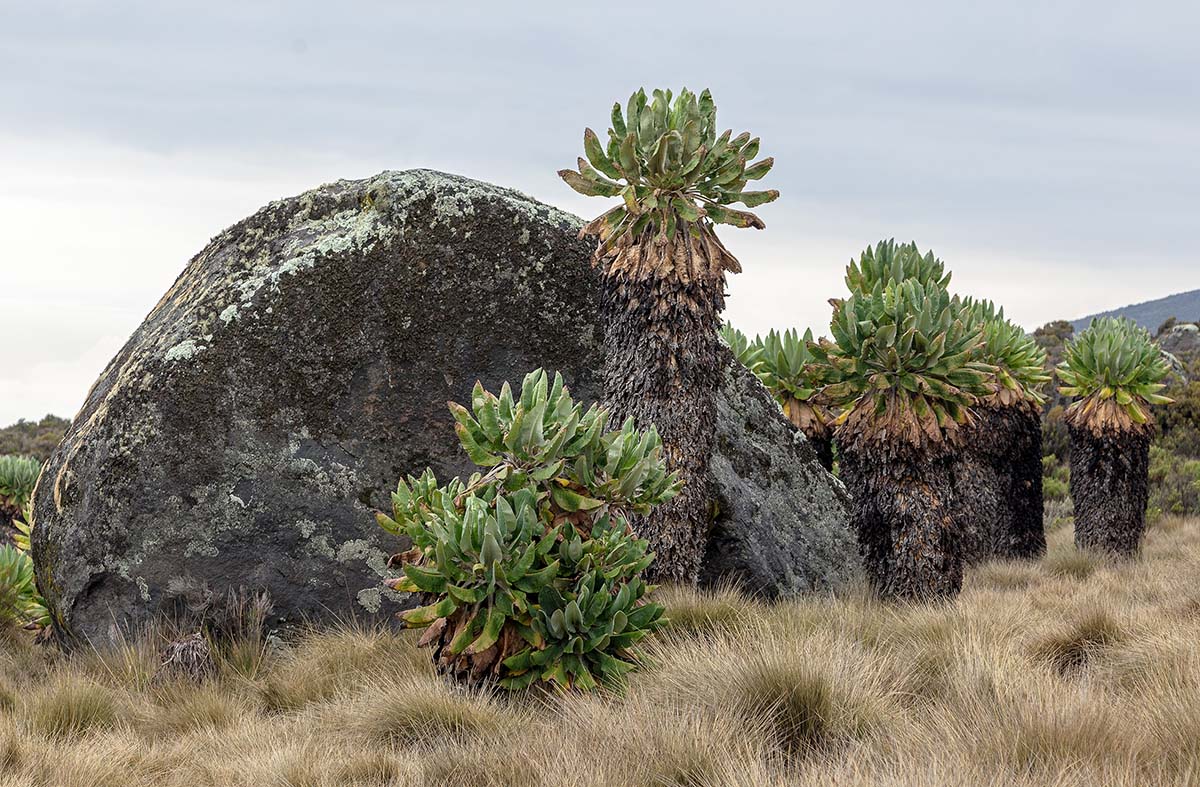
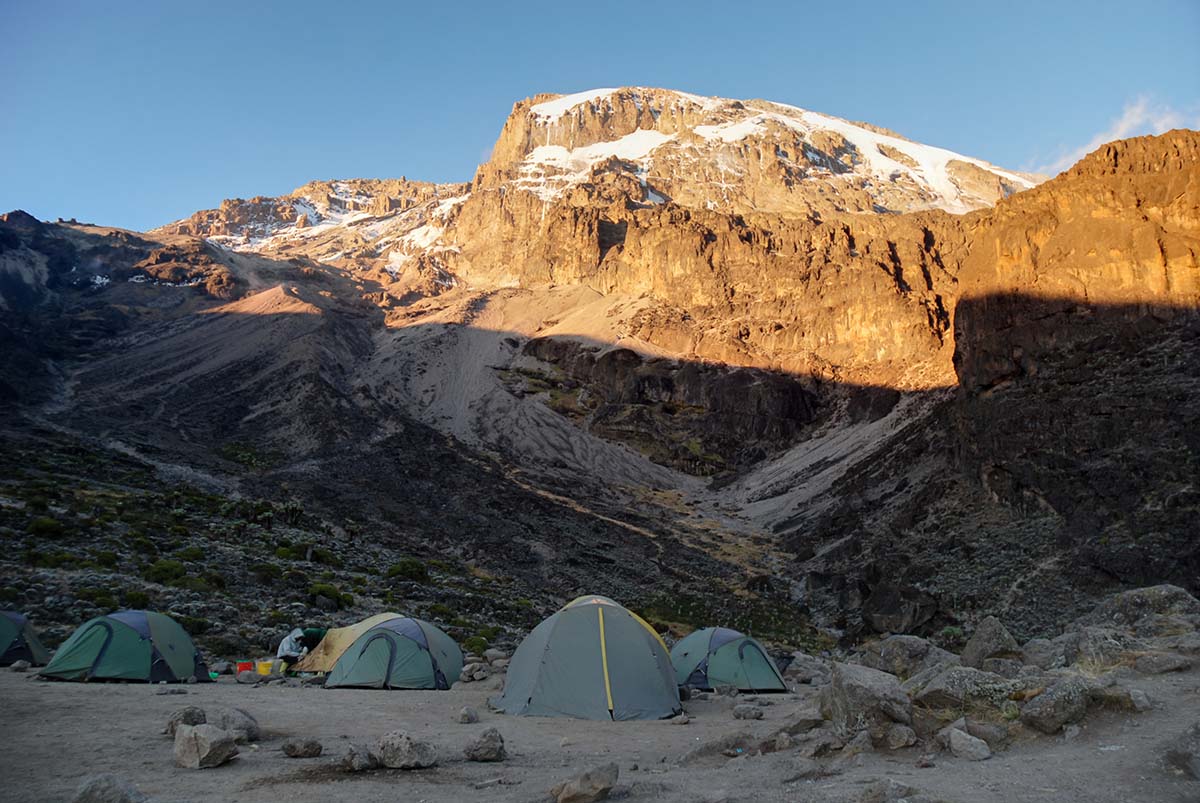
Before stepping onto Kilimanjaro’s slopes, you must decide which route suits your goals and fitness level. The Marangu route offers hut accommodations and a shorter timeline, while the Lemosho route delivers scenic vistas and gradual acclimatization. Trekkers who want a balance of beauty and challenge often choose the Machame route. By comparing distance, elevation gain, and scenery, you can select the best path for your abilities. Planning early also helps you secure permits for popular seasons.
Kilimanjaro climbing: Understanding the Physical Demands
Climbing Kilimanjaro requires both stamina and mental resilience. Although it is a non-technical climb, altitude adds difficulty to every step. Training with hikes on varied terrain, carrying a loaded backpack, and practicing steady pacing prepares your body for summit day. Incorporating cardio, strength exercises, and flexibility training into your routine improves performance. Additionally, practicing long walks at a slow pace mirrors the “pole pole” approach that helps trekkers acclimatize successfully.
The Importance of Proper Gear
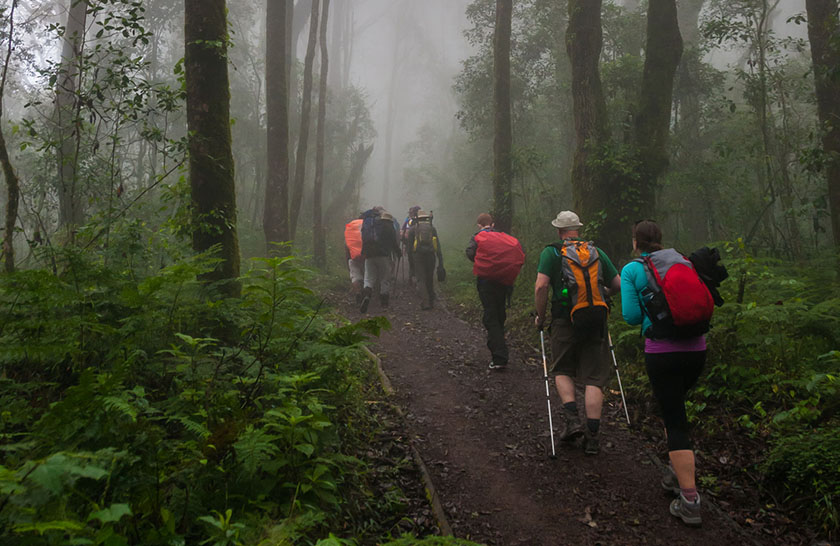
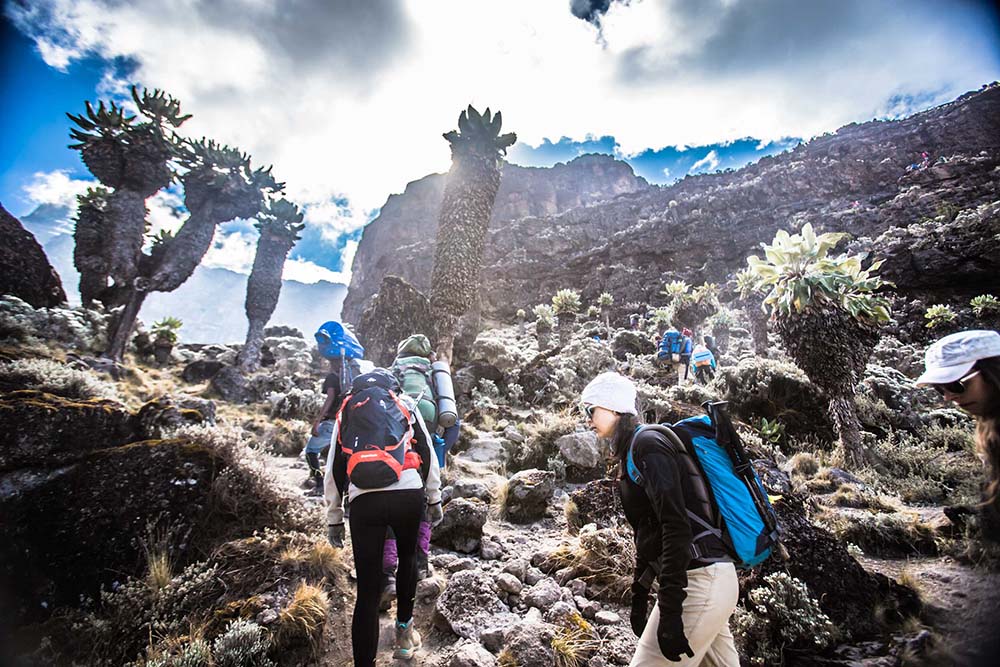
Investing in quality gear makes your climb safer and more comfortable. Sturdy, well-broken-in hiking boots protect your feet on rocky trails. Layered clothing allows you to adapt to changing temperatures, from tropical foothills to icy summit winds. A reliable sleeping bag rated for sub-zero conditions keeps you warm at night. Trekking poles reduce strain on your knees during steep descents. Furthermore, carrying a headlamp, reusable water bottles, and waterproof gear bags ensures you are prepared for every stage of the climb.
Managing Altitude and Acclimatization
Altitude sickness poses the greatest challenge on Kilimanjaro, so understanding its symptoms is essential. Headaches, nausea, and fatigue can appear at elevations above 3,000 meters. Drinking plenty of water, eating regularly, and ascending slowly improve your chances of avoiding serious issues. Many climbers choose itineraries lasting at least seven days, giving their bodies more time to adjust. Some routes include “climb high, sleep low” strategies, which help with acclimatization by allowing you to experience higher altitudes before returning to lower camps overnight.
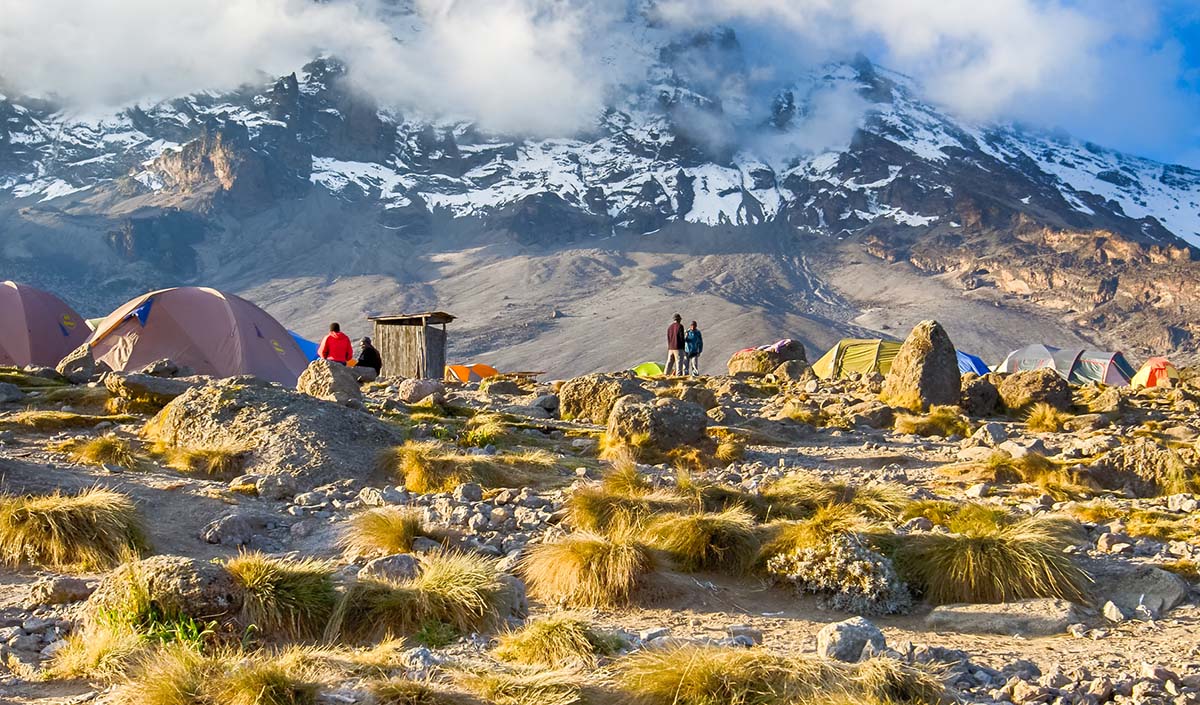
Kilimanjaro climbing: Nutrition and Hydration on the Mountain
Fueling your body with balanced meals keeps your energy levels steady. On the mountain, cooks prepare hearty dishes with fresh vegetables, rice, pasta, and protein sources. Bringing your favorite high-energy snacks, such as trail mix or energy bars, gives you a quick boost during long trekking days. Staying hydrated is equally important, especially in dry, high-altitude conditions. Many trekkers drink at least three liters daily, using purification tablets or filters to make stream water safe.
Mental Preparation for Summit Night
Summit night begins long before sunrise, requiring you to hike in darkness with only your headlamp lighting the way. Temperatures can drop well below freezing, and the thin air makes breathing more difficult. Visualizing your goal, maintaining a steady pace, and focusing on small milestones help you push through fatigue. Guides provide constant encouragement, reminding you that reaching Uhuru Peak is as much about mindset as it is about physical fitness. The reward—a breathtaking sunrise above the clouds—makes every challenging step worth the effort.
Respecting the Environment and Local Culture
Kilimanjaro’s ecosystem is fragile, so trekkers must follow Leave No Trace principles. Carrying out all trash, using designated toilet facilities, and staying on marked trails protect the mountain for future climbers. Additionally, learning about Chagga culture and showing respect to porters and guides enrich your journey. Fair wages, ethical tour operators, and sustainable practices support the local community while preserving the mountain’s natural beauty.
Kilimanjaro climbing: Final Thoughts Before You Begin
Climbing Kilimanjaro demands preparation, determination, and respect for both nature and culture. With the right route, gear, training, and mindset, the Roof of Africa becomes an achievable and unforgettable goal. Every sunrise over its slopes reminds you why this adventure captures the hearts of travelers worldwide.